
Newsletter Subscribe
Enter your email address below and subscribe to our newsletter
Enter your email address below and subscribe to our newsletter

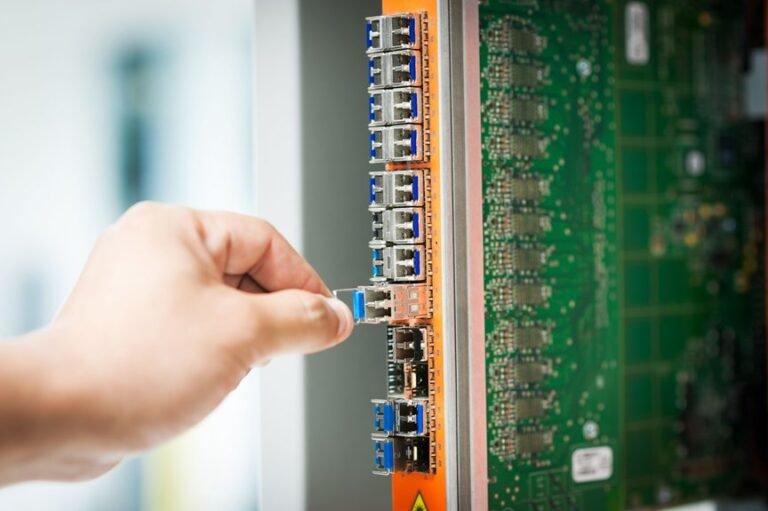
The guide on the 0.0.143 router configuration and setup provides a precise, methodical framework for secure deployment. It begins with access and diagnostics, then moves to firmware verification and updates, followed by disciplined security tuning. Wireless optimization and local network…
 BySonu
The 24.0.97 Private Network Login Guide outlines a strict, isolated environment for sensitive communications. It emphasizes device integrity, current firmware, validated cryptographic standards, and defined access controls. The process verifies identity, establishes a trusted session, and supports automatic reauthentication for…
BySonu
The 168..100.1 format signals a misconfiguration or typographical error in IPv4 addressing. An absent octet can trigger subnet clashes, misrouting, and faulty device recognition. Causes include manual input mistakes, incorrect masks, or automation injecting malformed values. Immediate steps involve detection…
BySonu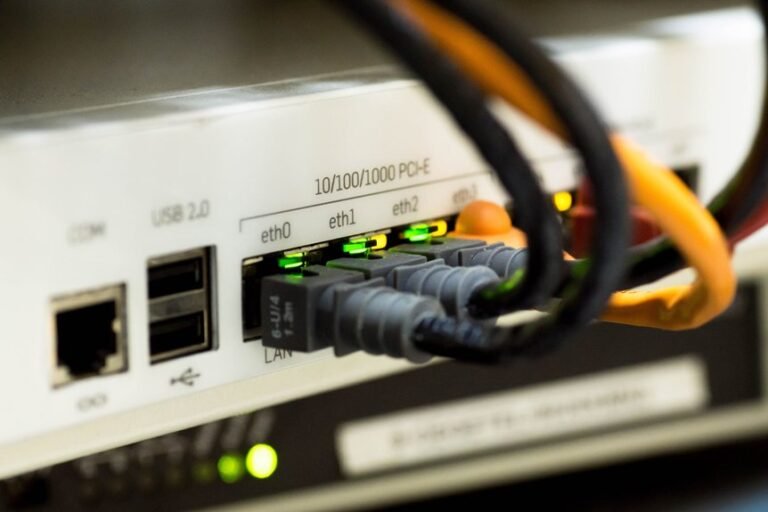
The 168.3.101 Router Network Setup Guide presents a precise, methodical approach to building a secure network. It outlines baseline requirements, compatibility checks, and repeatable inventories, plus firmware validation and baseline configurations. Troubleshooting addresses structured failure modes and intermittent links. Performance…
BySonu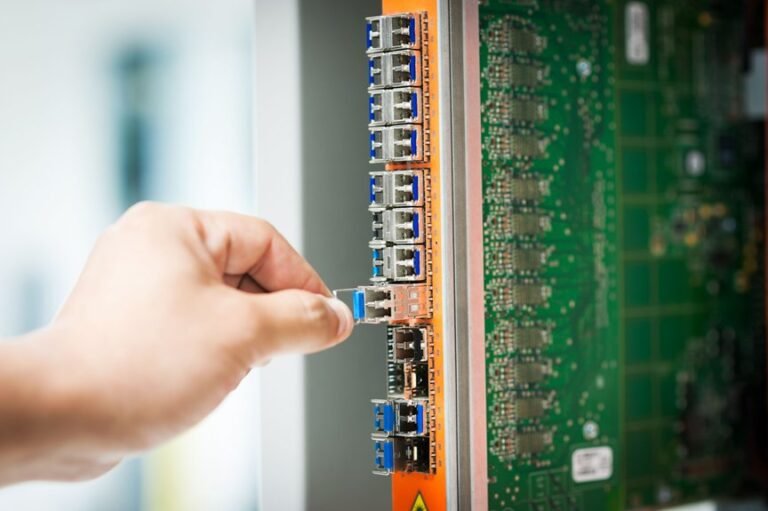
Access to the 168.100.28 router admin panel requires a valid login and session management to prevent unauthorized use. The guide outlines how to open the interface, verify firmware status, and apply updates if available, while documenting current versions for audit…
BySonu
The guide examines why 192.168.101.1 can present an invalid IP structure under certain subnetting and routing schemes. It isolates misconfigurations such as mismatched masks, conflicting ranges, and inappropriate gateway assignments that trigger errors. The discussion proceeds with verification steps, showing…
BySonu
Access to 192168.11.1 begins with a browser session and the router’s login prompt. Identify the default IP, then enter standard or updated credentials to access the admin panel. From there, verify connected devices, adjust Wi‑Fi settings, and check security and…
BySonu
The topic addresses how a router IP can appear as 168.l00.1, a format error arising from ambiguous characters and misplaced octets. It outlines systematic causes, including visually similar glyphs and dot misplacements, and it frames a methodical path to verification.…
BySonu
The discussion centers on a structured approach to configuring the 168.18.7 router. It emphasizes backing up settings, verifying firmware compatibility, and preparing update paths. Secure Wi‑Fi with custom DNS is prioritized alongside basic firewall rules and logging. The method favors…
BySonu
Private IPs live in reserved blocks and are not routable on the public Internet. A 24.0.1.71 address signals misconfigurations such as mistranslation, leakage, or improper subnetting. Such errors undermine access controls, erode trust, and complicate routing policies. Systems must enforce…
BySonu