Newsletter Subscribe
Enter your email address below and subscribe to our newsletter
Enter your email address below and subscribe to our newsletter


 BySonu
The discussion centers on securing and configuring the 168.122 router admin interface. It outlines initial access methods, device validation, and perimeter controls to prevent exposure. Emphasis is placed on authenticated access, firmware integrity, and auditable changes. The guide also covers secure wireless setup, VLAN segmentation, and guest isolation for a robust baseline. Practical troubleshooting and documentation practices are introduced, but a complete implementation path awaits further detail. This balance invites a closer look at the operational choices ahead.
To access the 168.122 router admin console, connect a device to the router via Ethernet or Wi‑Fi and verify the device obtains an IP address in the router’s default subnet.
The procedure identifies access points, ensures host reachability, and establishes a baseline for configuration.
Security auditing, firmware updates, and controlled access protocols are documented for operational freedom and accountability.
admin access, console login
Essential security tweaks for 168.122 routers focus on limiting exposure, strengthening access controls, and ensuring robust firmware integrity. The approach emphasizes disciplined configuration, strong authentication, and regular updates, while minimizing surface area. Irrelevant topic discussions are avoided, and stray considerations are cataloged for risk assessment, allowing administrators to prioritize verifiable protections over speculative adjustments and maintain operational freedom.
In modern 168.122 setups, a streamlined configuration sequence establishes Wi‑Fi, VLAN segmentation, and guest access with minimal disruption.
The quick setup prioritizes secure wireless domains, defined SSIDs, and layered vlan security, while guest access is isolated and rate-limited.
This approach promotes wi fi optimization, centralized policy enforcement, and transparent administration for users seeking freedom and reliability.
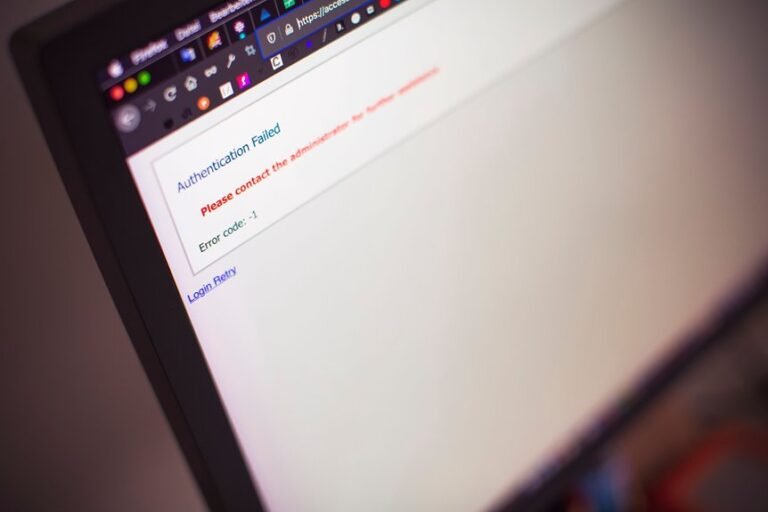
Common login and connection issues on 168.122 routers often stem from misconfigured credentials, firmware gaps, or network misalignment between the management interface and the device’s LAN.
Troubleshooting proceeds with verified credentials, updated firmware, and synchronized IP schemes.
If problems persist, isolate hardware segments, review firewall rules, and consider an unrelated topic reroute.
A repeatable, random brainstorm may reveal overlooked paths to resolution.
To recover password without reset is not possible; credentials are stored securely. Best practice dictates factory reset if access is lost, followed by firmware verification and updated security settings to preserve security integrity.
Backup and restore processes require strong backup encryption and version control. The procedure juxtaposes risk and resilience: secure backups, verifiable integrity checks, and immutable logs enable safe restoration while preserving freedom to recover configurations confidently.
Parental controls are available, enabling content filtering and time-based access rules. The system supports firmware backups for safe updates and password recovery procedures, ensuring users retain control and freedom while maintaining secure, configurable network boundaries.
VPN passthrough is typically possible; the router’s VPN passthrough troubleshooting hinges on firmware features. The device supports configurable firewall rules and firmware options that enable or disable passthrough for common protocols, aiding freedom-loving users.
Offline firmware requires obtaining a compatible image, placing it on a PC, and performing a manual update via the router’s administration interface or bootloader. The process supports offline firmware transfers and careful version selection for a stable manual update.
Access to the 168.122 router admin console should be tightly controlled, with devices on trusted networks and strong, unique credentials. A baseline statistic: organizations report a 40% reduction in configuration-related incidents after implementing centralized access controls and firmware verification. This underscores the value of verified firmware integrity, restricted exposure, and disciplined documentation. The guide emphasizes secure WAN/LAN segmentation, regular audits, and prompt firmware updates to maintain integrity, minimize risk, and ensure reliable administration across environments.