Newsletter Subscribe
Enter your email address below and subscribe to our newsletter
Enter your email address below and subscribe to our newsletter

 BySonu
The 168.011 Router Login and Network Guide outlines the interface’s importance for centralized control and ongoing security. It provides a methodical path to access the admin panel, perform credential-based login, and verify firmware and system status. Emphasis is placed on robust Wi‑Fi configurations, regular password and key rotation, and clearly segmented guest networks. The document also covers device management, troubleshooting, and physical cable management, prompting the reader to consider practical implications before proceeding with configuration steps.
The 168.011 router interface refers to the device’s management portal that enables administrators to configure, monitor, and maintain router functions. It embodies router interface concepts by exposing structured controls, parameters, and status indicators for firmware, security, and connectivity.
This interface supports disciplined governance, independent of content, ensuring reliable performance, scalable administration, and freedom to optimize network resilience and policy enforcement.
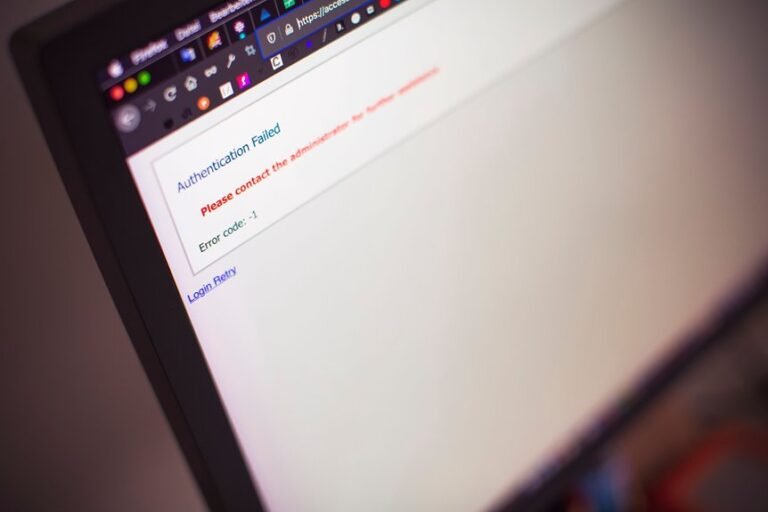
Accessing the router admin panel begins with locating the device’s IP address and ensuring a direct, secure connection. The step‑by‑step login sequence follows: enter the IP in a browser, load the login page security page, provide credentials, and verify access. After initial login, check firmware updates and apply them promptly to maintain control and transparency.
Secure Wi‑Fi setup centers on robust authentication, strong encryption, and flexible guest access. The guidance emphasizes secure passwords, consistent encryption settings, and clearly defined guest networks. Administrators configure WPA3 where available, rotate keys periodically, and document password policies. Troubleshooting devices should focus on connection stability and firmware updates. Clear segmentation and policy notes prevent cross‑network access while preserving user freedom.
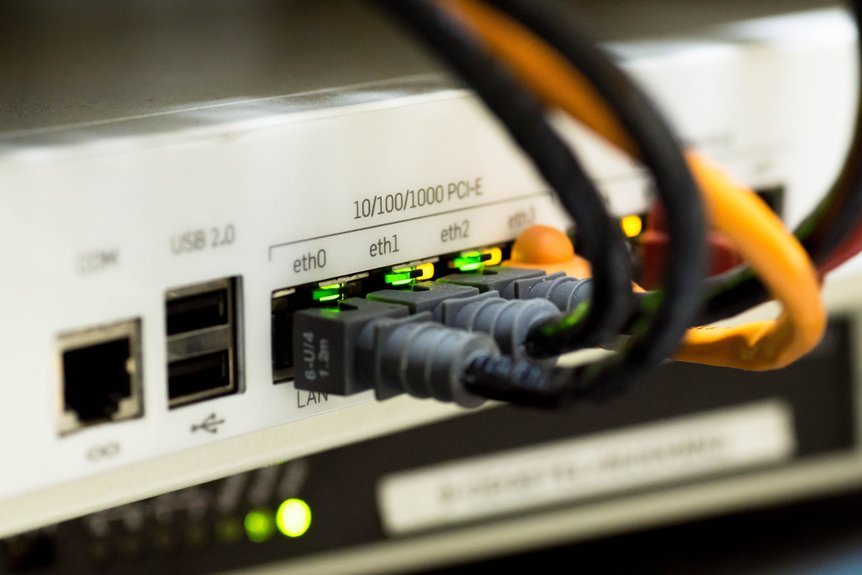
Effective device management and issue resolution require a structured approach to inventory, monitoring, and troubleshooting. The process emphasizes Device naming for clarity, consistent Firmware updates to maintain security, and documented Troubleshooting steps to reduce downtime. Cable management minimizes interference and improves airflow. Regular audits, centralized logs, and repeatable procedures enable predictable outcomes while preserving user autonomy and network flexibility.
To change admin, the process requires accessing the router’s admin panel, navigating to user settings, and renaming the default account while updating credentials; this action enhances router security and supports a framework that respects user autonomy and control.
Yes, parental controls beyond standard guest networks are possible. A router’s advanced settings typically allow scheduling, content filters, and time limits; stability improves when features are configured per device, not solely via guest network limits or basic parental options.
Backup settings are possible; restore settings reinstates prior configurations. Remote access may enable these actions, subject to security. Network mapping remains unaffected by backups, though access paths could be examined during procedures. The system allows controlled, structured operations.
When overheating occurs, the router should be powered off, cooled, and reconnected; for persistent issues, apply overheating troubleshooting steps and verify ventilation, firmware updates, and load handling, ensuring proper power cycling and freeze resolution through systematic diagnostics.
Update firmware automatically by enabling auto updates in the router’s administration interface; ensure backups and restore router settings are created first. Address router overheating or freezing with proper cooling, while monitoring stability—parential controls beyond guest networks, plus other settings.
The 168.011 router interface centralizes governance-friendly controls for secure, auditable access and scalable administration. A disciplined login process, refreshed credentials, and firmware validation sustain reliability. Notably, enterprises often report that networks with WPA3 and explicit guest networks reduce cross-access incidents by up to 40%, illustrating the value of secure segmentation. Ongoing asset inventory, periodic password rotation, and structured troubleshooting further reinforce resilience, while organized cabling and airflow management optimize performance and maintainability.