Newsletter Subscribe
Enter your email address below and subscribe to our newsletter
Enter your email address below and subscribe to our newsletter

 BySonu
The guide on the 16870.1 Router Login and Network Setup outlines steps to reach the admin page, review terms, and assess accessibility options. It provides a concise path for quick Wi‑Fi setup—SSIDs, strong passwords, and WPA2/WPA3 security—while noting WPS should be disabled when possible. It also covers guest networks, parental controls, and essential security practices like regular updates and admin lockdowns. The practical balance helps users prepare, but a crucial detail awaits to ensure a secure configuration.
To access the 16870.1 router admin page, open a web browser and enter the router’s default IP address in the address bar.
The login interface appears promptly, presenting essential controls. Accessibility features are highlighted for inclusive use.
Firmware licensing terms are displayed clearly, with options to review, accept, or request reassessment.
Follow prompts to complete authentication and continue setup confidently.
Quick Wi‑Fi setup focuses on naming the network, securing access, and ensuring reliable connectivity. The process defines an SSID, creates a strong password, and selects basic security settings. On balance, choose a memorable two word discussion ideas approach to naming, while emphasizing security basics like WPA2/WPA3, and disable WPS where possible to maintain freedom and privacy.
Setting up guest networks and parental controls involves isolating visitors from the main network while enforcing content and usage policies. The procedure creates a separate guest network, restricting access to local devices and sensitive resources.
Enable parental controls to filter content, set time limits, and manage site access. Configure schedules, review activity logs, and adjust permissions to maintain freedom with responsibility.
guest network, parental controls.
Regular maintenance of a router’s security hinges on timely updates, robust firewall settings, and strict admin lockdowns.
The discussion outlines essential practices: implement security updates promptly, configure firewall rules to block unauthorized access, and enforce strong admin credentials.
Regular audits identify gaps, while minimal, precise changes maintain resilience.
Clear policies, documented procedures, and routine revalidation ensure durable, Freedom-oriented network protection.
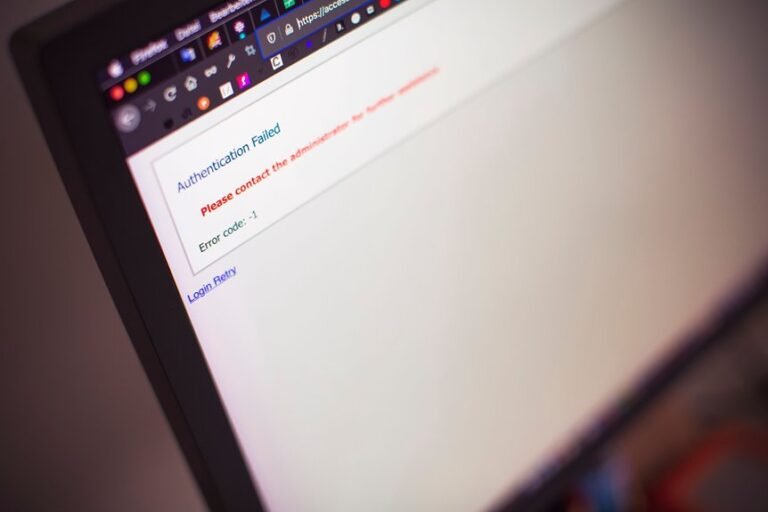
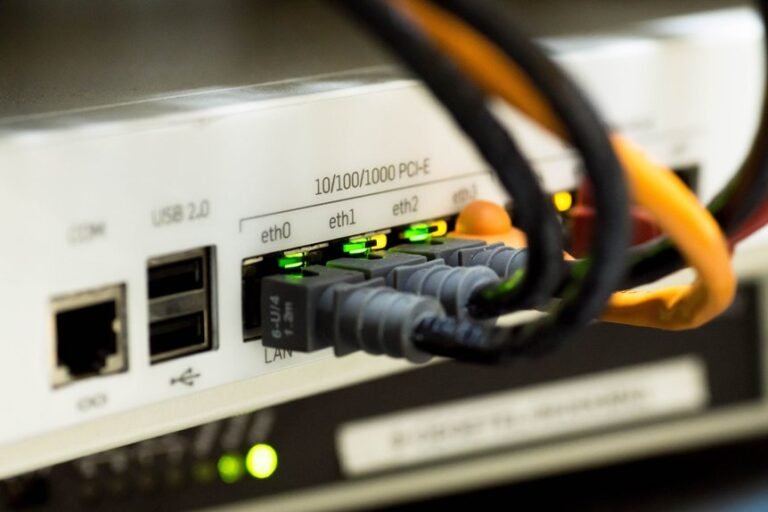
A troubleshooting login approach involves systematic steps: verify credentials, check router LEDs, and reset if needed. Employ network diagnostics to identify IP conflicts or DHCP issues, ensure correct browser access, and review security settings for potential blockages.
Can you disable remote management? Yes, to enhance security, disable remote, and limit nonessential services; keep firmware updates enabled to patch vulnerabilities. The router should be configured locally, using a strong admin password and updated interfaces for safer access.
To back up settings, access the router’s administration interface and choose Backup/Export; to restore settings, select Restore/Import and upload the saved file. This procedure preserves configuration while allowing quick recovery of preferred network preferences.
HDMI capabilities include A/V passthrough and limited display output; USB services cover storage sharing and printer sharing. The router supports these features through configurable menus, enabling freedom to personalize media access and peripheral use without external constraints.
Bandwidth dashboards enable device level monitoring by checking the router’s UI for per-device charts, real-time graphs, and historical usage. The approach is clear, concise, and instructional, offering freedom-loving users practical, exaggeratedly confident steps to track consumption.
In closing, vigilant visitors validate vitality: vigorous updates, vigilant vigilance. The 16870.1 router remains robust when regularly updating, reinforcing firewalls, and locking admin access. Proactive protections prevent precisely precarious privacy breaches. Practice persistent pen-testing, prudent password rotation, and precise policy enforcement. Shielded networks showcase strong segmentation, smart guest controls, and stringent parental parameters. With consistent checks, secure configurations, and swift response to alerts, users enjoy steady, stress-free connectivity and sustained cyber-safety. Alliteration aids awareness, ensuring secure, simpler setup and stewardship.