Newsletter Subscribe
Enter your email address below and subscribe to our newsletter
Enter your email address below and subscribe to our newsletter

 BySonu
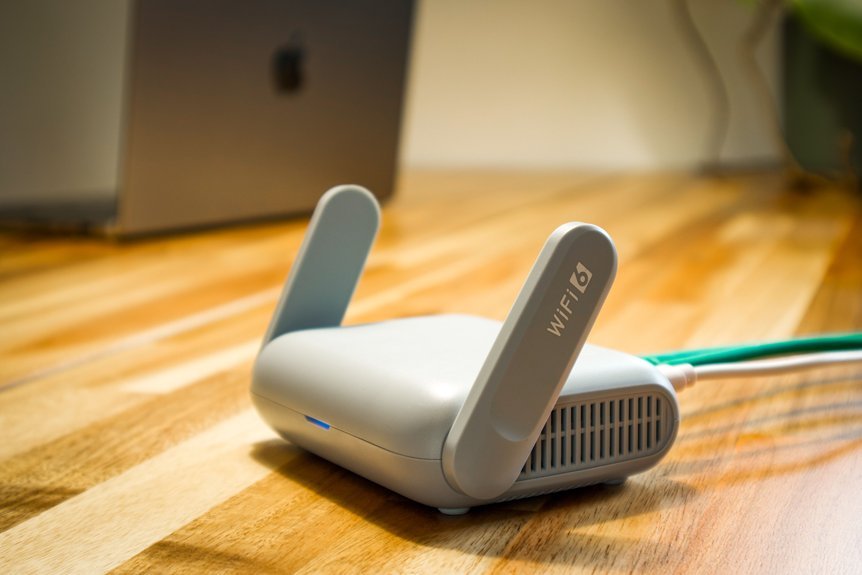
The 168.7.1 Router Login and WiFi Setup Guide provides a concise framework for securing a home or small-office network. It covers locating the gateway, accessing the admin panel, and enforcing strong credentials with WPA3. The guide also details SSID naming, channel selection, guest networks, and QoS considerations. It emphasizes disabling WPS and avoiding defaults, while outlining ongoing credential reviews and intrusion monitoring. A careful viewer will find a clear path, but the practical steps demand careful attention to the specifics that follow.
The 168.7.1 router refers to a common default IP address used by many consumer routers for administrative access. This designation clarifies network boundaries and setup responsibilities.
Ethical considerations guide configurations, ensuring transparent practices and informed consent.
User privacy remains central when adjusting settings, reducing data exposure.
Understanding the default helps users evaluate security implications and exercise control over their home networks with confidence.
To locate the router’s IP address and access the admin panel, users should identify the device’s default gateway on their local network and then enter that address into a web browser.
The process remains straightforward: discover the gateway, input the address, and load the login page.
Remain focused; avoid unrelated topic distractions or off topic tangents during configuration.
Securing a wireless network begins with selecting strong, unique credentials and enabling robust encryption to restrict access. Effective practices emphasize password hygiene, regular updates, and avoiding default settings.
Implement network segmentation to limit lateral movement and protect critical devices. Use WPA3 where possible, disable WPS, and monitor for intrusions. Maintain documented, periodic reviews of credentials and access rights.
Configuring essential network parameters begins with selecting an appropriate SSID, setting the optimal wireless channel, distinguishing guest access, and applying quality-of-service policies. The section outlines deliberate SSID planning and channel optimization strategies.
It presents practical steps for separating guest networks, prioritizing critical traffic, and maintaining freedom in customization, while preserving security and performance across the router’s wireless ecosystem.
A factory reset is performed by locating the reset button, pressing and holding it for ten seconds, then releasing. The reset procedure reverts settings to defaults, and the device reboots. Follow factory reset steps to restore original configurations.
Yes, mobile access is possible. In practice, the admin panel usability remains contingent on device compatibility and firmware. A case study shows credential security during reset procedure, with firmware update safety and guest network isolation considerations for maintaining stable admin access.
If the admin password is forgotten, perform password recovery via the router’s reset procedure. This enables remote access once restored. The process requires a factory reset, then reconfiguration; beware loss of existing settings during password recovery and reset.
The router generally offers guest network isolation by default, but requires verification of firmware and admin access settings; features such as parental controls, reset behavior, device compatibility, and firmware update status influence isolation and overall security.
Firmware updates should be performed via the admin interface with security patches applied promptly; ensure admin access is secured, before enabling parental controls and verifying settings. Schedule automatic updates where available, and back up configuration before applying firmware updates.
The guide gently suggests prudent network care, avoiding risky defaults and embracing thoughtful configuration. By naming the network clearly, securing it with strong passwords and modern encryption, and segmenting guests, users can enjoy seamless connectivity with quieter risk. Regular credential reviews and monitored access act as quiet guardians, maintaining privacy. In short, careful setup today helps peace of mind tomorrow, enabling reliable performance without drawing unnecessary attention.