Newsletter Subscribe
Enter your email address below and subscribe to our newsletter
Enter your email address below and subscribe to our newsletter


 BySonu
Access to the 168.1.105 router admin page requires a direct browser connection and correct credentials. The guide outlines step-by-step actions for securing the network, updating firmware, and verifying reachability after login. It emphasizes disciplined diagnostics for login or WiFi issues, including resets and reboot cycles, and it stresses methods to avoid interface distractions. The reader is left with a concrete rationale to proceed and verify each configuration step before finalizing the setup.
To access the 168.1.105 router admin page, open a web browser connected to the router’s network and enter http://168.1.105 in the address bar.
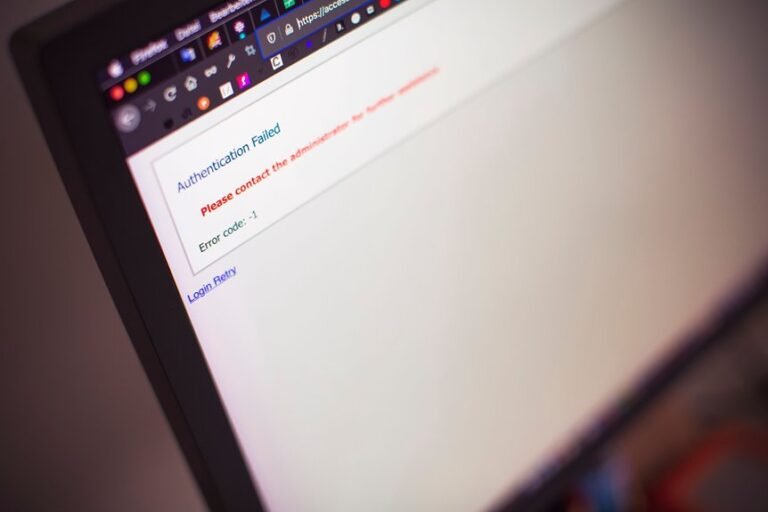
The page presents login fields, credentials validation, and session behavior. Follow standard network troubleshooting steps if access is denied.
Successful login enables router login configuration and monitoring without extraneous elements or distractions.
After gaining access to the router’s admin page, the next step is to secure the network by updating the SSID and password. This involves selecting a unique, non-default SSID and a strong, complex password. Apply networking best practices and enable WPA2 or WPA3. Document changes, monitor connected devices, and pursue device hardening through regular credential audits and segmenting guest access.
Firmware integrity and timely updates are foundational to router security; regular checks for available firmware, verification of digital signatures where applicable, and prompt application of trusted updates reduce exposure to known vulnerabilities.
The discussion emphasizes security protocols configuration, minimizes transferable risk, and mandates routine firmware backups for restoration.
Systematic hardening includes authenticated remote management, encrypted admin access, and verified startup integrity checks.
Common login and WiFi issues typically arise from misconfigured settings, weak credentials, or network interference. In methodical diagnostics, technicians verify IP conflicts, channel selection, and firmware consistency, then document observed patterns.
The analysis stays on topic, avoiding unrelated topic detours or off topic discussion, ensuring reproducible steps.
Resolution proceeds with precise configuration resets, secure password updates, and deliberate reboots to confirm stability.
A mobile app can manage the router, though capabilities vary by model. It supports mobile app control for basic settings and monitoring. Firmware updates may be available via the app, depending on the device, requiring periodic checks.
The reset procedure involves powering the device, holding the recessed reset button for 10–15 seconds, then releasing; the router performs a factory restore, rebooting with default settings and cleared custom configurations for uninhibited, independent reconfiguration.
Parental controls are available, enabling content filtering, scheduling, and site whitelists/blacklists. The feature set is accessible via the router’s web interface and is compatible with the mobile app. It supports time-based restrictions and device-specific rules, flexibly.
Secure guest access can be enabled by isolating the guest network from the main LAN, applying firewall rules, and using WPA3 and a strong SSID. The method ensures controlled, protected, and flexible wireless access for visitors.
The router supports VPN passthrough via TCP/UDP protocols; activate under Security, then VPN Passthrough. It contrasts VPN passthrough vs. QoS, compares Firmware features, and weighs Parental controls vs. guest network security as a decisive framework.
In the end, the administrator discovers the coincidence of control and protection. Access to the 168.1.105 router emerges only after precise credential entry, a deliberate login ritual, and the habit of secure configuration. SSID and password changes align with steadfast encryption, while firmware validation mirrors a rehearsed, repeatable process. Each reboot, diagnostic, or reset fits the same methodical pattern, revealing that reliable connectivity is less luck than disciplined procedure—where security and reachability converge through careful, repeatable steps.