Newsletter Subscribe
Enter your email address below and subscribe to our newsletter
Enter your email address below and subscribe to our newsletter

 BySonu
The 1921681100 Router Network Configuration Guide outlines how a private gateway supports reliable local networking. It covers identifying the default gateway, accessing the admin interface, and verifying basic connectivity. Security steps include strong wireless encryption, guest isolation, and timely firmware updates. Performance is enhanced through traffic monitoring, change logs, and avoidance of vendor lock-in, with clear documentation and a methodical troubleshooting approach. This framework invites careful setup, yet a key step remains that could shape the entire network’s behavior.
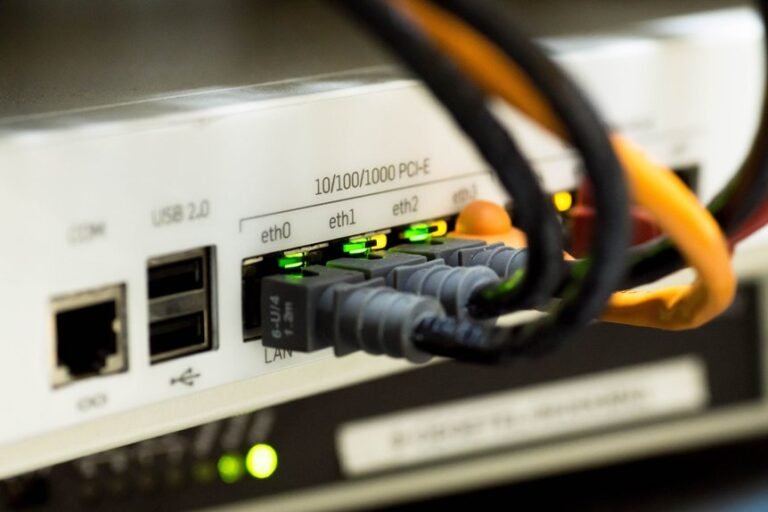
A 192.168.1.100 router refers to a private network device address commonly used to access the router’s administration interface. It anchors network address concepts, clarifying how devices locate gateways and services within a local LAN.
This designation enables controlled configuration, monitoring, and security decisions, supporting user autonomy while maintaining structure in private networks and preserving accessible, orderly connectivity.
Accessing a router begins with identifying the device’s default gateway address, typically 192.168.1.1 or 192.168.0.1, then entering that address into a web browser’s address bar. Users login, review basic settings, and confirm connection status. VPN access configurations and firmware updates are considered during initial setup, ensuring secure remote access and reliable performance without unnecessary steps or delay.
To secure the network and optimize performance, the guide recommends configuring robust wireless security, enabling guest network isolation, and applying firmware updates promptly. Network administrators should enforce strong encryption, disable WPS, and segment devices by function.
Regular audits ensure data privacy, monitor traffic for anomalies, and schedule firmware updates. Clear change logs support accountability, resilience, and freedom from vendor lock-in while maintaining efficiency.
Troubleshooting common issues and maintenance for a 1921681100 router network involves a systematic approach to identify, isolate, and resolve problems while sustaining optimal operation.
Network latency is reduced by verifying connections, monitoring device load, and inspecting QoS settings.
Firmware updates should be applied promptly, with careful rollback planning if issues arise, and documentation maintained for future reference and continual improvement.
The reset procedure requires physical access, press and hold the reset button for ten seconds, then configure new credentials. Password recovery depends on firmware; use recovery mode if available, and create two word ideas for memorable, secure access.
Yes, it’s possible to change the router’s default IP address. A concise anecdote: a forensic technician notes stability improves after updating the change log and testing feature ideas. The process remains methodical, precise, concise, and freedom-oriented.
The warranty for the 1921681100 router varies by retailer and region, with standard terms often including limited coverage and duration. Pricing plans and customer service details influence eligibility and support options, but specifics require the original purchase documentation.
Yes, a modem is not strictly required for operation; the router can connect to a compatible modem. Assess modem necessity and ISP compatibility before setup to ensure seamless service, profiles, and provider-supported configurations.
Why risk instability—how should firmware be updated safely? The reviewer follows security best practices, checks vendor pages, enumerates known issues, and implements a planned firmware update cadence, testing in a sandbox, before applying to the live router configuration.
A disciplined approach to 192.168.1.100 router management ensures dependable, scalable local networks. By identifying the default gateway, securing wireless access, monitoring performance, and maintaining logs, administrators achieve reliable connectivity with minimal latency. A hypothetical small office case shows how regular firmware updates and guest isolation reduce security risks while preserving guest access. Adhering to a clear procedure and documentation enables autonomous administration, faster troubleshooting, and smoother network growth without vendor lock-in.